Welcome: Laizhou Machinery Group



Fashion brands constantly look for new ways to reach customers.
A permanent store provides stability, but opening a new location requires:
Long-term rental commitments
Construction costs
Fixed operating expenses
Location decisions
For brands testing new markets, launching seasonal collections or creating limited-time experiences, a different approach may be more suitable.
A mobile fashion pop-up store allows brands to bring a complete shopping environment directly to customers.
An expandable event trailer can transform from a transportable unit into a professional retail space for product displays, customer interaction and brand experiences.
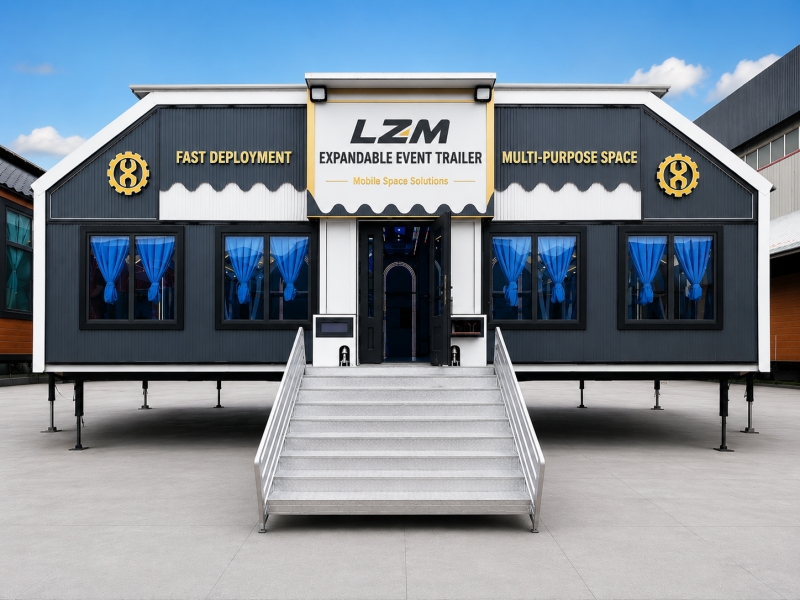
Fashion is constantly changing.
New collections arrive.
Seasonal campaigns begin.
Limited editions create short-term demand.
A traditional store remains in one location, while a mobile retail space can follow marketing opportunities.
Possible applications include:
New collection launches
Luxury brand events
Seasonal promotions
Designer showcases
Shopping mall campaigns
Fashion festivals
The store becomes part of the marketing strategy rather than only a sales location.
Tokyo has one of the world's most active fashion markets.
Brands compete for customer attention through:
Unique retail experiences
Limited collections
Creative displays
Brand storytelling
A standard temporary booth may provide limited space and limited atmosphere.
A customized mobile store can create a more complete brand environment.
Customers do not only see products.
They enter a designed experience.
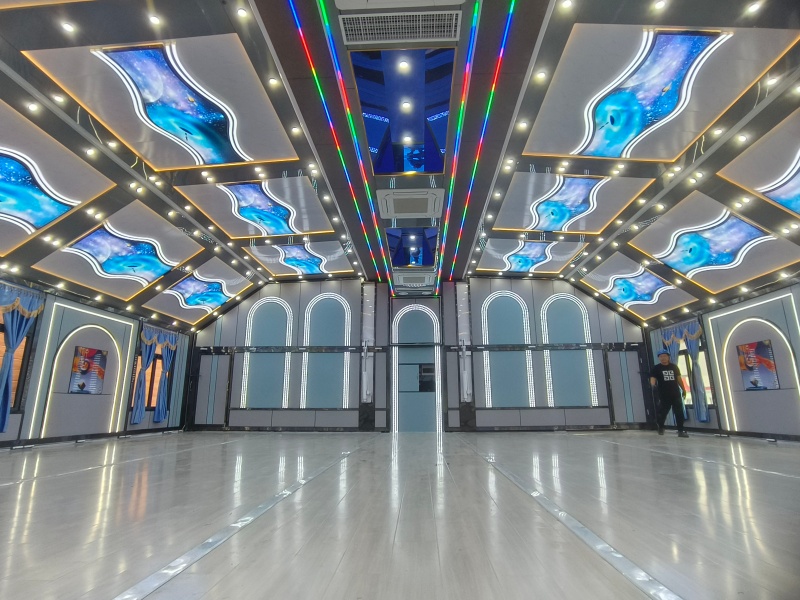
A successful fashion pop-up is not simply a place to put clothing racks.
The interior can include different customer zones.
Including:
Brand introduction
New collection presentation
Digital displays
For:
Clothing
Accessories
Luxury products
Limited editions
For:
Styling advice
Private shopping
VIP customers
Supporting:
Customer checkout
Membership registration
Product information
The layout can follow the complete shopping journey.
Premium customers often expect a different shopping experience.
A mobile fashion space can include private areas for:
VIP appointments
Personal styling
Exclusive product previews
Influencer events
This creates a more controlled environment than a crowded temporary exhibition booth.
The biggest advantage of mobility appears when the brand wants to reach multiple markets.
A possible campaign could travel:
Tokyo → Osaka → Kyoto → Yokohama
The same branded retail environment follows the collection.
The company does not need to rebuild a different temporary store at every location.
This creates consistency in:
Interior design
Customer experience
Brand image
Customers can already buy many products online.
Therefore, physical retail increasingly needs to provide something beyond simple transactions.
A mobile fashion store can create:
Product interaction
Brand storytelling
Social media opportunities
Exclusive events
Customer engagement
The physical space becomes part of the marketing campaign.
Every fashion brand has a different identity.
A sportswear company may require:
Open display areas
Interactive screens
Fast customer flow
A luxury brand may prefer:
Premium finishes
Private consultation rooms
Elegant lighting
A designer brand may focus on:
Artistic presentation
Limited product displays
Event atmosphere
The expandable structure provides the space, while the interior creates the brand experience.
Fashion products often require good lighting and comfortable customer conditions.
Project planning should consider:
Display lighting
Screens
Customer capacity
Operating hours
Climate conditions
Possible requirements include:
Air conditioning
Heating
LED lighting
Electrical distribution
Security systems
Audio equipment
A temporary store usually disappears after the campaign ends.
A mobile fashion store works differently.
The same unit can support:
Spring collection launch
↓
Summer promotion
↓
Autumn fashion event
↓
Holiday shopping campaign
The investment continues creating value through multiple campaigns.
Potential users include:
Fashion brands
Luxury retailers
Designer labels
Sportswear companies
Jewelry brands
Cosmetic companies
Shopping mall operators
The interior configuration can be adapted according to the product category.
Before developing the design, customers should consider:
What products will be displayed?
How many customers are expected?
Is VIP service required?
Will the unit travel between cities?
What type of brand atmosphere is needed?
Are fitting rooms required?
What lighting system is needed?
What climate conditions apply?
These details determine the final configuration.
Fashion customers are not limited to one shopping street.
Brands increasingly create experiences in different locations.
A mobile fashion pop-up store allows companies to test markets, launch collections and create memorable customer interactions without committing immediately to another permanent retail location.
LZM develops expandable event trailers that can be customized for retail, brand experience and commercial applications.
Explore the expandable platform for mobile retail and fashion experiences:
Mobile Fashion Pop-Up Store Platform